Disclosure / Affiliate Notice:
As an Amazon Associate I earn from qualifying purchases.
Some links in this article may be affiliate links that earn me a commission at no extra cost to you.
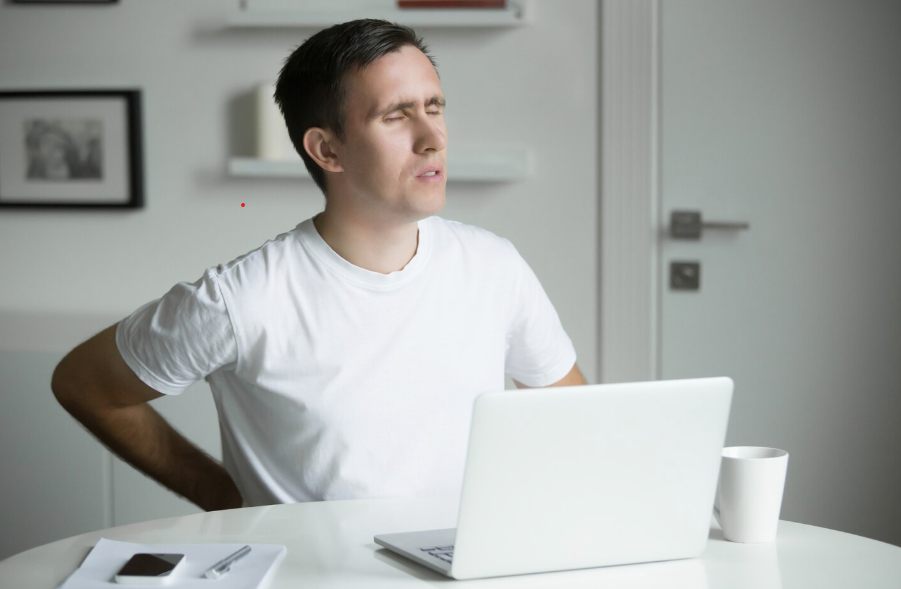
There’s a moment that often happens around early afternoon. You shift in your chair. Your shoulders feel slightly tight. The desk hasn’t changed, the chair is the same one you’ve used for months, yet something feels off.
The discomfort usually isn’t caused by a single major issue. It builds from small positioning details that go unnoticed in the morning.
Most desks are set up based on how they look, not how they function. A laptop placed directly on the surface encourages a downward gaze. That subtle angle, repeated for hours, gradually pulls the upper body forward. By lunchtime, posture begins compensating in ways that weren’t obvious earlier.
Raising the screen slightly can reset the alignment between neck and spine. For laptop users, a simple laptop stand can help bring the display closer to eye level
https://www.amazon.com/s?k=adjustable+laptop+stand&crid=14A43J995X111&sprefix=adjustable+laptop+stand%2Caps%2C624&linkCode=ll2&tag=01012424-20&linkId=4d089bbe78c10c9033297aae1cea6513&language=en_US&ref_=as_li_ss_tl
.The goal isn’t height alone — it’s reducing the angle that forces the head forward.
Another overlooked factor is elbow position. When forearms hover without support, shoulders quietly absorb the strain. Even a slight change — adjusting chair height or bringing the keyboard closer — reduces that constant tension.
Small corrections often feel insignificant at first. Over several hours, they make the difference between fatigue and steadiness.
Lighting plays a quiet role as well. If a window sits directly behind the screen, glare causes micro-adjustments in posture. Leaning forward to see clearly becomes a habit. These subtle movements accumulate.
Repositioning the desk a few degrees can eliminate the need to lean altogether.
A Short Observation
Comfort rarely fails suddenly. It fades gradually because small misalignments repeat without interruption.
The position of feet matters more than many expect. When they don’t rest fully on the floor, the body stabilizes itself through the lower back. That additional effort may be minimal, but over time it changes how long sitting feels sustainable.
Nothing about a workspace needs to look specialized to function well. Alignment, support, and spacing matter more than aesthetics. When the screen meets the eyes naturally, arms rest without lifting, and light doesn’t compete with the display, the desk stops demanding attention.
The most effective adjustments are usually quiet ones.
As an Amazon Associate I earn from qualifying purchases.
https://www.amazon.com/s?k=adjustable+laptop+stand&crid=14A43J995X111&sprefix=adjustable+laptop+stand%2Caps%2C624&linkCode=ll2&tag=01012424-20&linkId=4d089bbe78c10c9033297aae1cea6513&language=en_US&ref_=as_li_ss_tl